
Endodontics
At Norfolk Endodontics, we are committed to saving natural teeth using the most advanced techniques in endodontic care.
About Endodontics at Norfolk Endo
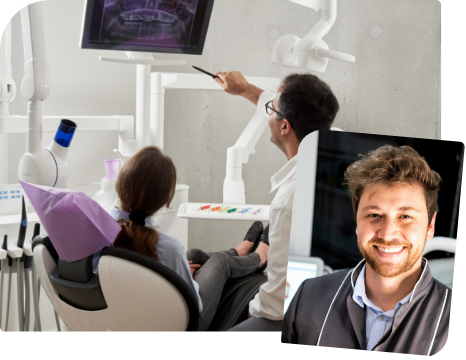
Endodontics is a specialist area of dentistry focused on diagnosing and treating problems within the tooth’s root canals and surrounding tissues. At Norfolk Endodontics, we’re helping patients keep their natural teeth through precise, minimally invasive care.
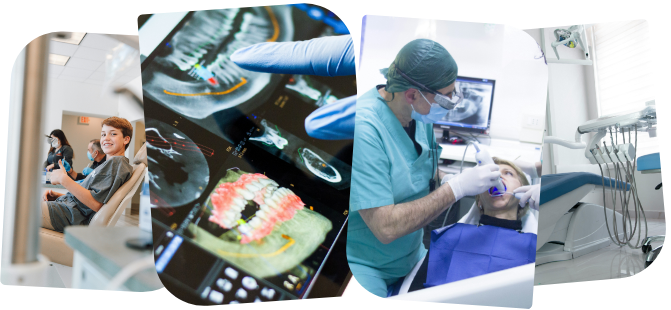
With a team of experienced dental specialists and access to state-of-the-art technology, including a dental microscope and Cone Beam CT scanner, we deliver endodontic treatment to the highest standards of care in both diagnosis and treatment.
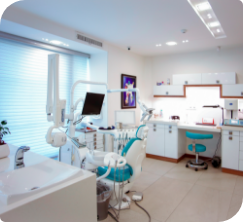
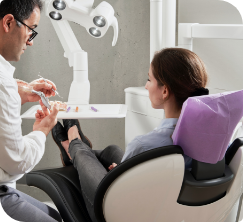
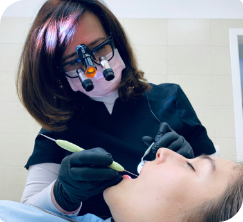
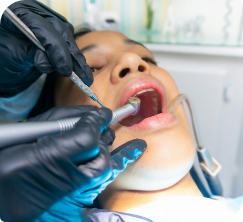
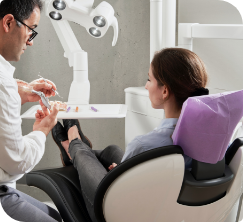
Providing excellent endodontic care in a timely fashion.
How does it work?
Step 1: Initial Consultation and Diagnosis
In most cases, your first visit with us will consist of a consultation. We’ll carry out a full assessment focused on the issue you’ve been referred for. Once we’ve reached a diagnosis, we will discuss all treatment options available and work with you to decide which approach best meets your needs and preferences.

Step 2: Breakdown of Costs
Before any endodontic treatment begins, you’ll receive a clear and detailed breakdown of all the costs involved.

Step 3: Refer back to your Dentist
After your treatment is completed, we’ll send a comprehensive report and any relevant radiographs to your general dentist. If additional follow-up is needed, we’ll advise them accordingly. It is our practice policy to always refer you back to your general dentist on completion of treatment.
FAQs
Still have questions about endodontic treatment? View our FAQs below or get in touch for more information.
What is endodontic therapy?
Endodontic therapy, commonly known as root canal treatment, involves cleaning and disinfecting the internal structures of a tooth to eliminate bacteria and infection. The canals are then filled and sealed to prevent future reinfection.
What to expect at a treatment appointment?
Once the area is numbed with local anesthesia, we place a rubber dam to isolate the tooth, ensuring an aseptic environment.
We then create an access point in the tooth, clean and shape the root canals using specialised tools. Once filled, a core restoration is placed to prevent issues with the tooth root in future. We typically take 2 to 3 X-rays during the process to help guide the treatment.
What are the alternatives to endodontic therapy?
Often, the only alternative is tooth extraction. While dentures, bridges, or implants can replace missing teeth, these options may be more expensive or less functional than preserving your natural tooth.
What services do you offer?
In addition to endodontic therapy, we also hygienist appointments.
Visit Hygiene.